 Austria
 Belgium
 Bulgaria
 Croatia
 Czech Republic
 Denmark
 Estonia
 Finland
 France
 Germany
 Greece
 Hungary
 Ireland
 Italy
Italy
 Latvia
 Lithuania
 Luxembourg
 Netherlands
 Poland
 Portugal
 Romania
 Slovakia
 Slovenia
 Spain
Spain
 Sweden
Refrigerator, Freezer or Blast Chiller? The Key Differences and Applications in Professional Catering
2026. 06. 19.
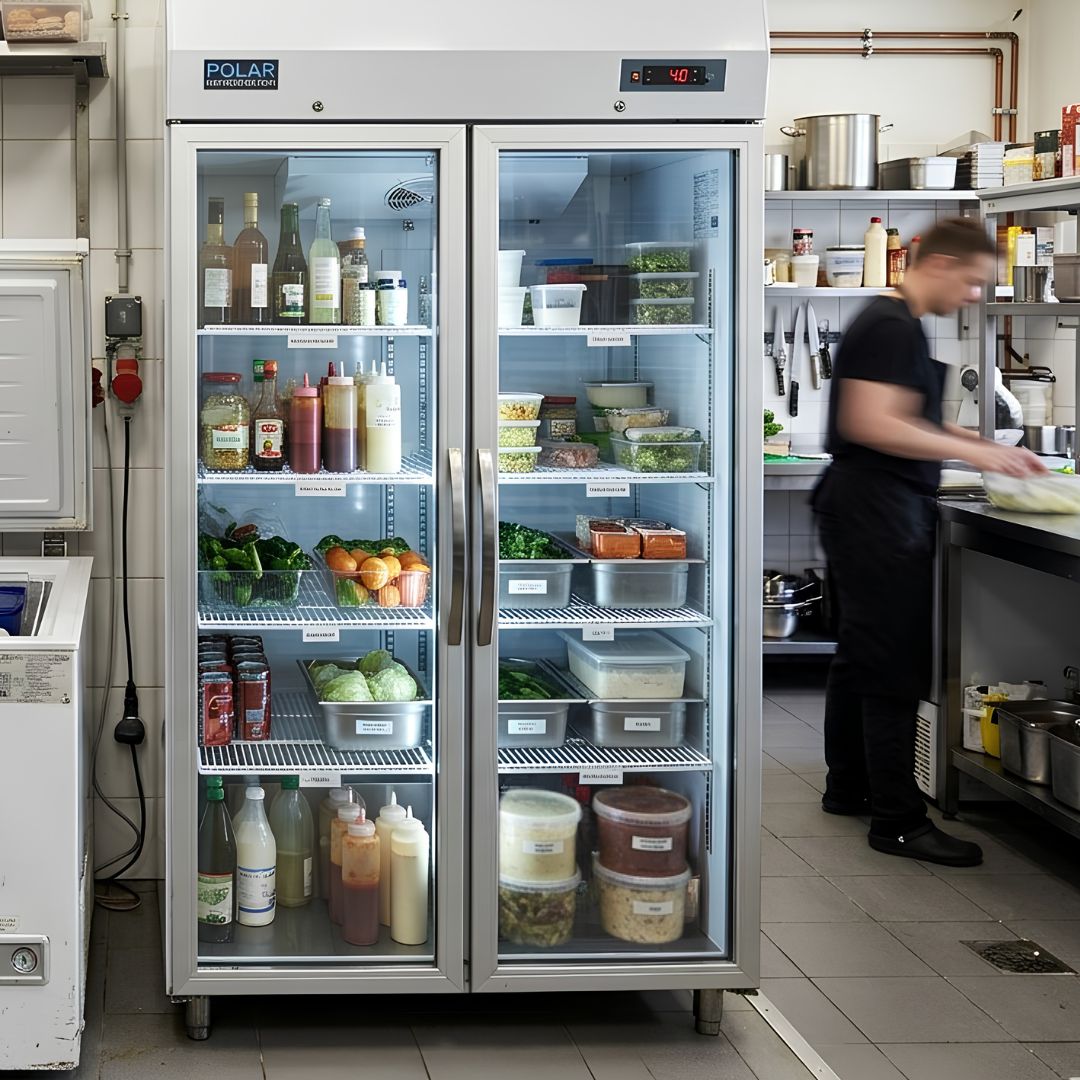
In the catering industry, proper food storage is not only essential for maintaining quality but also plays a crucial role in food safety. In a professional kitchen, large quantities of raw ingredients and prepared dishes are handled every day, making a reliable refrigeration infrastructure indispensable. At first glance, refrigerators, freezers, and blast chillers may seem to serve similar purposes, but in reality, they fulfil completely different functions. Understanding these differences is essential for operating a catering business efficiently and cost-effectively.
The refrigerator – the foundation of daily operations
Professional refrigerators are designed to keep ingredients and finished products fresh for short-term storage. They typically operate between 0 and +8 °C, a temperature range that slows down bacterial growth and extends shelf life. In catering kitchens, refrigerators are used to store fresh meat, fish, dairy products, vegetables, fruits, and pre-prepared ingredients. In restaurants and pastry shops, the refrigerator is in constant use, as it supplies the raw materials for daily production.
However, it is important to understand that cooling is not the same as preservation. While refrigeration extends shelf life, it is not suitable for long-term storage. Ingredients still need to be used within a relatively short period.
The freezer – for long-term storage
If an ingredient or finished product needs to be stored for weeks or even months, the freezer is the ideal solution. Professional freezers typically operate at -18 °C or lower, significantly slowing down microbial activity and ensuring long-term preservation.
This is particularly advantageous for catering businesses, as it allows bulk purchasing and storage of ingredients. Restaurants can buy meat, fish, or seasonal products at better prices and use them later. Bakeries and pastry shops also benefit by freezing semi-finished or pre-prepared products.
However, traditional freezers are not suitable for placing freshly cooked hot food inside. Doing so can raise the internal temperature of the unit and negatively affect the quality of other stored items. In addition, slow cooling creates an environment where bacteria can multiply, posing a food safety risk.
Why is the blast chiller special?
The blast chiller provides a solution to this problem. Its purpose is to rapidly reduce the temperature of freshly prepared food under controlled conditions. While cooling in a conventional refrigerator or freezer can take hours, blast chillers perform this process much faster – for example, a professional unit can cool 12 kg of food from +75 °C to +3 °C in just 90 minutes.
This is important because the temperature range between +10 °C and +63 °C is considered the most dangerous zone for food safety, as bacteria multiply rapidly within it. The shorter time food spends in this range, the safer it is for storage.
Rapid cooling also has significant quality benefits. Blast chilling helps preserve the texture, colour, flavour, and nutritional value of food. This is especially important in operations where large quantities of food are prepared in advance, such as hotels, institutional kitchens, or catering services.
In recent years, the cook & chill method has become increasingly popular, based on blast chilling technology. The process involves cooking food, rapidly cooling it, and then reheating it before serving. This significantly improves workflow efficiency and reduces peak-time pressure in kitchens.
Which equipment is needed in a professional kitchen?
In practice, there is rarely a need to choose between these three appliances, as each serves a different purpose. The refrigerator ensures daily storage of fresh ingredients, the freezer enables long-term stock management, and the blast chiller guarantees fast and safe cooling. Together, these technologies provide the flexibility and food safety required in modern catering operations.
Using the right equipment reduces food waste, optimises workflows, and ensures consistently high-quality dishes for guests. Although refrigerators, freezers, and blast chillers are part of the same overall system, none of them can replace the others. Today, a proper refrigeration infrastructure is not just a convenience but a fundamental requirement of professional catering.
Professional refrigeration technology is now an essential part of any well-functioning catering business. If you are looking for new equipment or upgrading your kitchen, you can choose from a wide range of refrigerators, freezers, and blast chillers in the GAMMO selection. Our colleagues are happy to help you find the most suitable solution for your needs.